What Is SADC? The Southern African Development Community Explained
SADC links 16 countries of southern Africa in a community for development, trade and security co-operation. Here is how it began, how it is run and how its election guidelines and observer missions work.
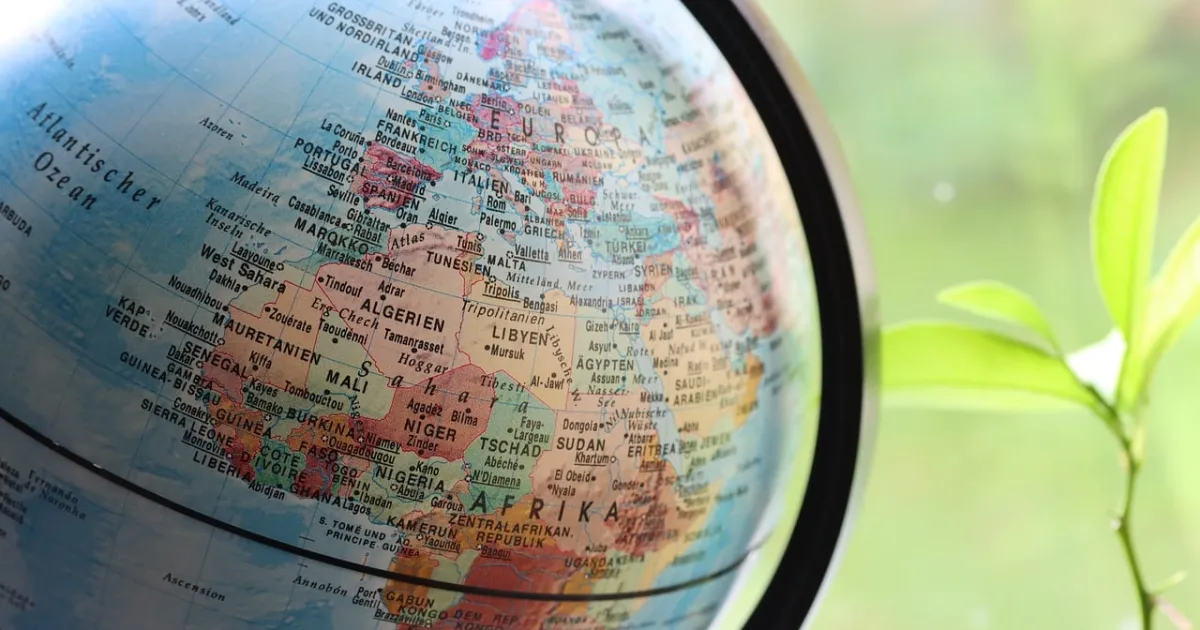
The Southern African Development Community (SADC) is a regional organisation of 16 countries in southern Africa, with its headquarters in Gaborone, Botswana. It was created in its present form by a treaty adopted in Windhoek, Namibia, on 17 August 1992, and works for regional economic integration and development, and for political and security co-operation among its members. SADC members have also agreed common standards for elections and send observer missions to each other's polls.
From SADCC to SADC
SADC grew out of the Southern African Development Coordination Conference (SADCC). On 1 April 1980, nine majority-ruled states in the region adopted the Lusaka Declaration, which led to SADCC being formally set up that month.
On 17 August 1992 the SADCC members, joined by newly independent Namibia, adopted the Windhoek Declaration and the Treaty that turned the conference into the Southern African Development Community. Later milestones include:
- 2001: an amendment to the Treaty, dated 14 August 2001, made political and security co-operation part of SADC's formal structure through the Organ on Politics, Defence and Security Cooperation.
- 2004: the first SADC Principles and Guidelines Governing Democratic Elections.
- 2008: the SADC Free Trade Area was established in August 2008.
- 2015: the revised election guidelines were approved.
- 2017: the Comoros was admitted at the 37th SADC Summit in Pretoria, bringing membership to 16.
- 2019: Kiswahili was adopted as a fourth working language, alongside English, French and Portuguese.
Member states
As of November 2026, SADC's 16 member states are: Angola, Botswana, the Comoros, the Democratic Republic of the Congo, Eswatini, Lesotho, Madagascar, Malawi, Mauritius, Mozambique, Namibia, Seychelles, South Africa, Tanzania, Zambia and Zimbabwe.
SADC is a regional body. It works alongside the continental African Union, which brings together states from the whole of Africa.
What SADC is for
SADC's main goals are development, economic growth and the reduction of poverty, with peace and security playing a growing part. The Treaty also has a political side. Article 4 names "human rights, democracy and the rule of law" among the principles guiding member states. Article 5 commits members to promote common political values carried through institutions that are "democratic, legitimate and effective", and to "consolidate, defend and maintain democracy, peace, security and stability" in the region.
How SADC is run
SADC has six principal bodies. Decisions are taken by consensus, except in the Tribunal, the National Committees and the Secretariat.
| Institution | Role |
|---|---|
| Summit | Heads of state or government; the supreme policy-making body. |
| Organ on Politics, Defence and Security Cooperation | Handles political, defence and security co-operation, under the oversight of the Summit. Its chairperson sets up election observation missions. |
| Council of Ministers | Ministers from the member states. |
| SADC Tribunal | A regional court based in Windhoek. Its role was put under review in 2010, and in 2012 the Summit limited its jurisdiction to disputes between member states. |
| SADC National Committees | Committees within the member states. |
| Secretariat | The secretariat in Gaborone, headed by an Executive Secretary. |
Alongside these sits the SADC Parliamentary Forum, which brings together members of national parliaments, and the SADC Electoral Advisory Council (SEAC), whose job is to advise member states on election matters.
The SADC Principles and Guidelines Governing Democratic Elections
The guidelines are SADC's common standard for elections. They were developed in 2004 and revised in 2015. The revised text was approved on 20 July 2015 in Pretoria by the 17th meeting of the Ministerial Committee of the Organ, after broad consultations led by SEAC.
What the principles say
The 2004 text committed member states to principles including:
- full participation of citizens in the political process, and freedom of association;
- political tolerance;
- elections at regular intervals, as set by each national constitution;
- equal opportunity for all parties to use state media;
- equal opportunity to vote and to stand for election;
- independence of the judiciary and impartiality of electoral institutions;
- voter education;
- acceptance of results declared free and fair by the national electoral authorities, and the right to challenge results as provided by law.
It also asked states holding elections to set up "impartial, all-inclusive, competent and accountable" national electoral bodies, to accredit national observers, and to protect freedom of movement, assembly, association and expression during campaigns. For more on how such bodies work, see what an electoral commission does.
What changed in 2015
The revised guidelines set out the role of SEAC before, during and after elections, and the responsibilities and deployment of SADC Electoral Observation Missions, including a code of conduct for observers. They encourage observers to begin work at least three months before polling day, to be present during the election and to stay for some time afterwards, and they recommend including civil society in SADC observer teams.
SADC electoral observation missions
SADC Electoral Observation Missions (SEOMs) observe elections in member states, supported by SEAC. They watch the process in three phases: the pre-election period, election day and the post-election period.
Under the 2004 text, a mission is formed by the chairperson of the Organ once the electoral authority of the country holding the election has sent an official invitation, which it was asked to do 90 days before voting day. Observers must:
- respect national law and stay strictly impartial, wearing no party symbols or colours;
- accept no gifts or favours from candidates or parties;
- base their reports on documented, verifiable evidence;
- never give instructions to, or overrule, election officials;
- avoid premature personal comments to the media.
In return, host states are expected to give observers freedom of movement, access to all polling stations and counting centres, and the right to speak freely with parties, candidates, voters and the electoral authority. The 2004 text provided for a statement on the conduct of the election after the result is announced, and a final report within 30 days of the results.
Common questions
How many countries are in SADC?
Sixteen, as of November 2026. The most recent to join was the Comoros, admitted in 2017.
Where is SADC's headquarters?
The SADC Secretariat is in Gaborone, Botswana. The SADC Tribunal was based in Windhoek, Namibia.
When was SADC formed?
Its forerunner, SADCC, was set up in April 1980 after the Lusaka Declaration. SADC itself was created by the treaty adopted in Windhoek on 17 August 1992.
What are the SADC election guidelines?
The SADC Principles and Guidelines Governing Democratic Elections are the region's common standards for elections and election observation. They were first adopted in 2004 and revised in 2015.
Sources
- Wikipedia: Southern African Development Community
- SADC Principles and Guidelines Governing Democratic Elections (2004 text, hosted by SAIIA)
- SARDC, SADC at 40: revision of the election guidelines
- SARDC, SADC at 40: election observation
- ISS Africa: The 2015 SADC election guidelines
- Wikipedia: SADC Tribunal
The Ballot Primer is independent and non-partisan. Spotted an error? Tell us.
Keep reading
What Is the African Union? History, Aims, Organs and Members
The African Union brings together the states of Africa in one continental organisation. Here is where it came from, what its foun…
9 November 2026
The Pan-African Parliament: What It Is, Who Sits in It and What It Can Do
The Pan-African Parliament is the African Union's continental assembly. Its members come from national parliaments and its powers…
9 November 2026

How Election Observation Works: Observers, Missions and Reports
Election observers watch the whole electoral process, not just polling day, and report on how far it met agreed standards. Here i…
9 November 2026