What Does an Electoral Commission Do?
Behind every election is a body that registers voters, organises polling, counts the votes and publishes results. Here is what electoral commissions do, how their independence is protected and why their design differs from country to country.
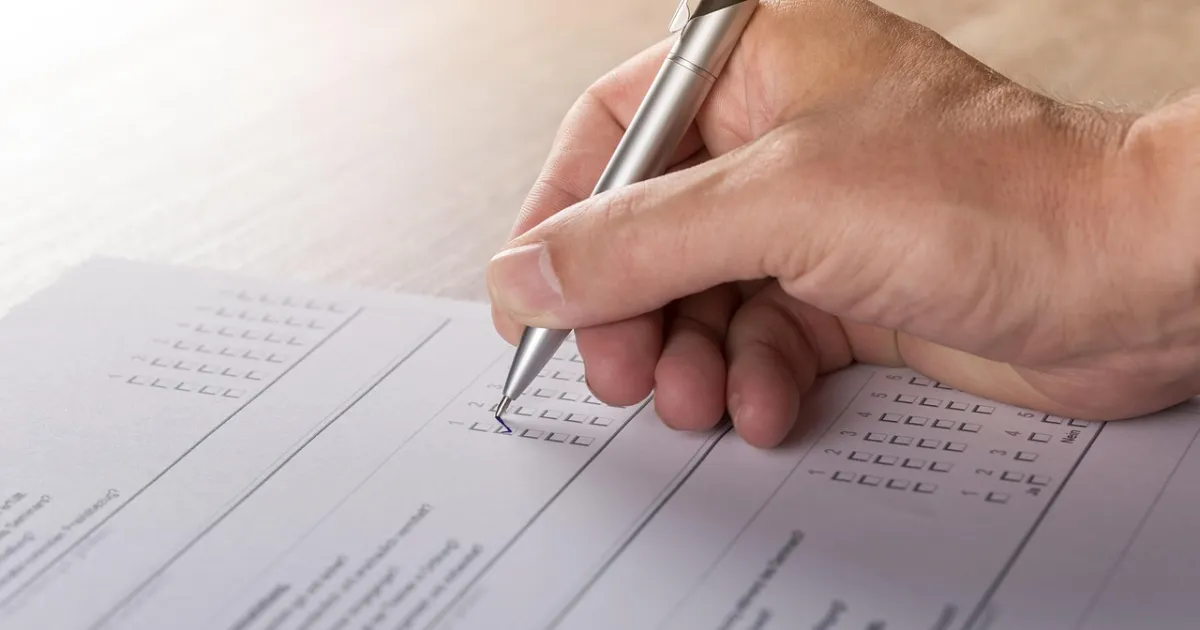
Elections do not run themselves. Someone has to keep the list of voters, register parties and candidates, print ballot papers, staff thousands of polling stations, count the votes and announce the results. In most countries that work belongs to an electoral commission, sometimes called an electoral management body.
The way a commission is designed, and how independent it is from the government of the day, is one of the main things that decides whether voters, candidates and losing parties trust an election.
The main jobs of an electoral commission
Responsibilities vary between countries, but the list usually draws on these tasks:
- Registering voters. Building and updating the electoral roll, and publishing it so that people can check their own entry and challenge mistakes.
- Drawing boundaries. Setting constituency or ward boundaries so that each seat has a similar number of voters. In some countries a separate boundary commission does this.
- Registering parties and candidates. Checking nominations, party names and emblems against the law.
- Running the poll. Recruiting and training staff, choosing polling stations, producing ballot papers and ballot boxes, and organising postal or early voting where it exists.
- Counting and results. Counting the votes, often in front of candidates' agents and observers, and declaring and publishing the results.
- Regulating money. Setting and enforcing rules on donations and campaign spending, and publishing what parties receive and spend.
- Voter education. Telling people how, when and where to vote, and what counts as a valid ballot.
Disputes about results are usually decided by courts or special electoral tribunals rather than by the commission itself, so that the body that ran the election does not also judge complaints against it.
Three models
International IDEA, an intergovernmental organisation that studies elections, sorts electoral management bodies into three broad models:
| Model | How it works |
|---|---|
| Independent | A body separate from the executive, with its own budget and members who cannot be dismissed at will, runs elections. |
| Governmental | Elections are run by a government ministry or by local authorities under ministerial direction. |
| Mixed | An independent body sets policy, monitors or supervises, while a government department or local officials carry out the practical work. |
None of these guarantees a good election on its own. Some long-established democracies run elections through government departments and enjoy high trust, while some formally independent commissions are not trusted by voters. What matters is how the body behaves in practice.
What protects independence
Where a commission is meant to be independent, the law usually backs that up in several ways:
- Appointment. Members are chosen through a process involving parliament, the courts or several parties, not by the government alone.
- Security of tenure. Members serve fixed terms and can be removed only for specific reasons through a set procedure.
- Money. The budget is approved by parliament and cannot easily be cut to punish the commission.
- Reporting. The commission reports to parliament or the public, not to a minister.
- Transparency. Results are published polling station by polling station, and party agents and observers are allowed to watch every stage.
In southern Africa, the member states of the Southern African Development Community (SADC) have agreed on Principles and Guidelines Governing Democratic Elections, which include the independence and impartiality of electoral management bodies. SADC and the African Union send observer missions to elections and report on how far these standards were met.
How it works in a few countries
United Kingdom
The Electoral Commission was created as a result of the Political Parties, Elections and Referendums Act 2000. It registers political parties, regulates party and election finance, and sets performance standards and gives guidance to the officials who run elections. It does not run polls itself: local returning officers and electoral registration officers do that, and separate boundary commissions review parliamentary constituencies.
South Africa
The Electoral Commission, known as the IEC, is one of the independent institutions set up by the Constitution to support democracy, and its work is governed by the Electoral Commission Act of 1996. The first permanent commissioners were appointed in 1997. It runs national, provincial and municipal elections, registers voters and parties, and promotes voter education.
India
The Election Commission of India is a constitutional body formed on 25 January 1950, a date now marked each year as National Voters' Day. It conducts elections to Parliament, the state legislatures and the offices of President and Vice-President for the largest electorate in the world.
Zimbabwe
The Zimbabwe Electoral Commission (ZEC) is an independent commission established under section 238 of the Constitution, one of the bodies listed in Chapter 12 as supporting democracy. It was created in 2005, and the 2013 Constitution set out its mandate and protections. It is responsible for preparing and conducting elections and referendums and for the voters' roll.
United States
There is no single national body that runs elections. States and counties organise and count the vote under state law. The Federal Election Commission has a narrower role: it administers and enforces federal campaign finance law.
Why it matters to voters
Most of an electoral commission's work is invisible on polling day, but it decides whether you are on the register, how far you travel to vote, whether your ballot is counted the way you marked it and whether the result is published in enough detail to be checked. When trust in a commission breaks down, losing parties are less likely to accept defeat, and that is a risk for any democracy. That is why the rules that protect a commission's independence matter as much as the rules on how votes are cast.
Common questions
Is an electoral commission part of the government?
It depends on the country. Many are independent bodies separate from the executive; in some countries elections are run by a government ministry or by local authorities instead.
Who counts the votes in an election?
Election officials appointed by the electoral commission or by local authorities, usually in the presence of candidates' agents and, where allowed, independent observers.
Who decides disputes about election results?
In most countries, courts or special electoral tribunals hear challenges to results. The commission provides evidence but does not usually judge complaints about its own conduct.
Does the UK Electoral Commission run general elections?
No. It regulates party finance and sets standards, but polls are run locally by returning officers. Constituency boundaries are reviewed by separate boundary commissions.
Sources
- International IDEA: Electoral Management Design (revised edition)
- legislation.gov.uk: Political Parties, Elections and Referendums Act 2000
- Wikipedia: Electoral Commission (United Kingdom)
- Wikipedia: Electoral Commission of South Africa
- Wikipedia: Election Commission of India
- Wikipedia: Zimbabwe Electoral Commission
- Federal Election Commission: Mission and history
The Ballot Primer is independent and non-partisan. Spotted an error? Tell us.
Keep reading
What Is a By-Election? Why They Happen and How They Work
A by-election is a contest for one seat that has fallen empty between general elections. Here is why UK by-elections happen, who …
9 November 2026
Voter ID in the UK: Photo ID to Vote and the Voter Authority Certificate
Voters in Great Britain now need photo ID to vote in person at many elections. Here is which elections it covers, what ID is acce…
9 November 2026

Single Transferable Vote Explained: How STV Works, Step by Step
Under the single transferable vote, you rank candidates in order and your vote moves on if it is not needed or cannot help. Here …
9 November 2026