Voter ID in the UK: Photo ID to Vote and the Voter Authority Certificate
Voters in Great Britain now need photo ID to vote in person at many elections. Here is which elections it covers, what ID is accepted, how to get the free Voter Authority Certificate and how Northern Ireland's older system works.
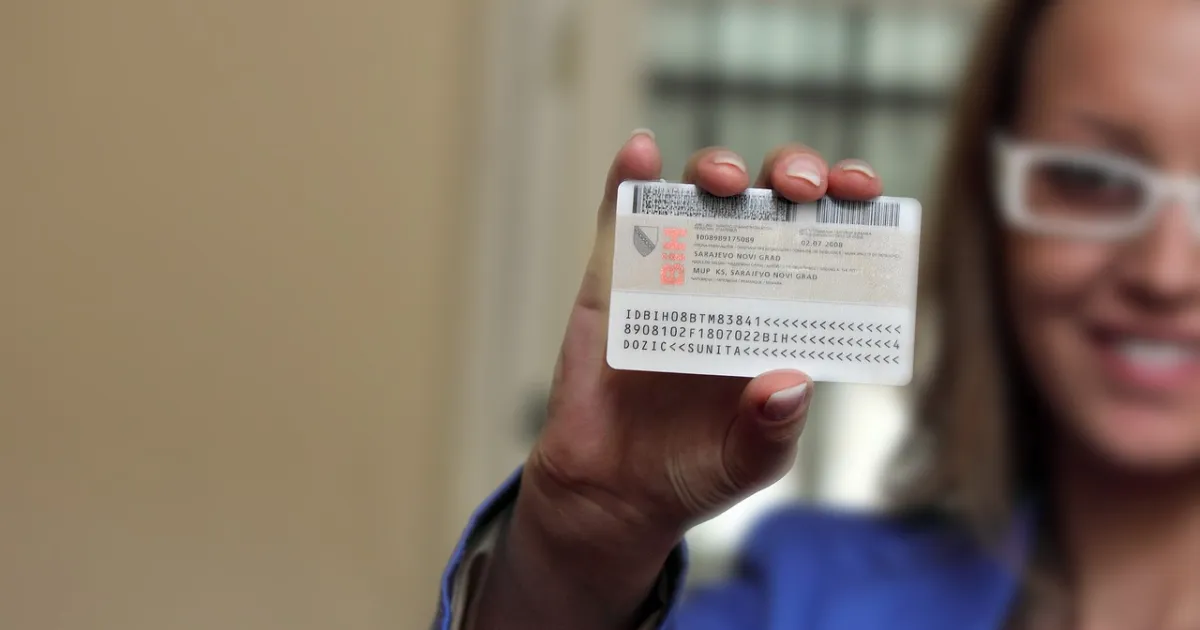
To vote in person at a polling station in Great Britain you now need to show an accepted form of photo ID at UK Parliament elections, including by-elections, and at many other polls. The requirement was introduced by the Elections Act 2022 and first applied at the local elections in England on 4 May 2023. If you do not have accepted ID, you can apply for a free Voter Authority Certificate. Northern Ireland has had its own photo ID requirement for much longer.
Where the rule came from
The Elections Act 2022 received Royal Assent on 28 April 2022. It made photo ID compulsory for voting in person in Great Britain for the first time; Northern Ireland already required it. The local elections in England on 4 May 2023 were the first held under the new rules, and the July 2024 general election was the first general election held under the Act.
The same Act made several other changes, including switching mayoral and police and crime commissioner elections from the supplementary vote to first past the post and removing the 15-year limit on voting rights for British citizens living overseas.
Which elections need photo ID
According to GOV.UK, you need photo ID to vote in person at:
- UK Parliament elections, including general elections and by-elections (see what is a by-election);
- recall petitions for MPs in England, Scotland and Wales;
- local elections in England, including council, mayoral, Greater London Authority and parish elections;
- police and crime commissioner elections in England and Wales;
- neighbourhood planning referendums and local authority referendums, such as council tax referendums, in England.
The requirement does not cover elections to the Scottish Parliament or the Senedd, or local council elections in Scotland and Wales.
Accepted forms of ID
You must show the original document. A photocopy or a picture on your phone is not accepted. The GOV.UK list includes:
| Type | Examples accepted |
|---|---|
| Passports | UK passport; passport from an EU country, Norway, Iceland, Liechtenstein or a Commonwealth country |
| Driving licences | UK or Northern Ireland photocard licence, full or provisional; licence from an EU country, Norway, Iceland, Liechtenstein, the Isle of Man or the Channel Islands |
| Other photo cards | PASS card; Blue Badge; biometric residence permit; Defence Identity Card; HM Armed Forces Veteran Card; national identity card from an EU country, Norway, Iceland or Liechtenstein |
| Travel passes | Older or disabled person's bus pass; Oyster 60+ card; Freedom Pass; Scottish National Entitlement Card; Welsh concessionary travel cards; Northern Ireland concessionary travel pass |
| Voting documents | Voter Authority Certificate; Anonymous Elector's Document; Northern Ireland Electoral Identity Card |
Expired ID is accepted, as long as the photo still looks like you. The name on your ID should match the name on the electoral register. Minor variations, such as a shortened first name, are fine; if you have changed your name, you can re-register under your new name or bring a document that shows the change, such as a marriage certificate.
The Voter Authority Certificate
The Voter Authority Certificate is a free paper document with your photo on it, issued for voting in person in England, Scotland and Wales. It became available on 16 January 2023. It is meant only for voting and cannot be used as ID for anything else, such as proving your age.
You can apply if you are registered to vote and you either have no accepted photo ID, no longer look like the photo on your ID, or have ID in a name that differs from your name on the register. To apply you need:
- a digital photo of yourself;
- your National Insurance number, or, if you do not have one, other documents such as a birth certificate, bank statement or utility bill.
You can apply online or on a paper form sent to your local electoral registration office, which can also help with the process. Council guidance gives the deadline as 5pm six working days before polling day, so it is safer to apply well before an election.
Postal and proxy voting
The photo ID rule applies to voting in person. Postal votes are checked in a different way: the signed postal voting statement returned with each ballot is checked before the vote is counted.
If you vote as a proxy on someone else's behalf, you must show your own photo ID, not theirs. There are also limits on handing in postal votes: in England and Wales you can hand in your own postal vote and those of up to five other voters at a polling station or electoral registration office, and political campaigners may do so only for family members or people they care for.
Northern Ireland
Northern Ireland's photo ID requirement predates the rules in Great Britain by two decades. The Electoral Fraud (Northern Ireland) Act 2002, which took effect on 1 September 2002, required voters to show photographic identification at polling stations and created the Electoral Identity Card for people without other accepted ID. The same Act introduced individual electoral registration in Northern Ireland.
The Electoral Office for Northern Ireland lists the accepted ID as a UK, Irish or EEA photo driving licence (provisional licences included); a UK, Irish or EU passport, including the Irish Passport Card; certain Translink SmartPasses; a Biometric Immigration Document; and the Electoral Identity Card. EU passports are not accepted at UK Parliament elections. ID does not have to be current, but the photo must be a good likeness.
The debate over voter ID
The introduction of voter ID in Great Britain was contested, and both sides have made their case.
- Arguments for. The government said the requirement would address public concern about electoral fraud. Supporters argue that checking identity at the polling station protects the integrity of the vote, and point to the free Voter Authority Certificate for people without other ID.
- Arguments against. Critics point out that proven cases of in-person fraud were rare before the change, and argue that the rule creates a barrier for people less likely to hold accepted ID, such as some disabled and unemployed people and some younger voters.
Evidence from the first elections has fed into this debate. The Electoral Commission found that at least 14,000 people were unable to vote at the May 2023 local elections because they did not have accepted ID, and that 4 per cent of non-voters cited the ID rules as their reason for not voting. It also reported signs that disabled people, unemployed people and some ethnic groups were disproportionately affected. The Commission's broader role is explained in what an electoral commission does.
Common questions
Do I need photo ID to vote in the UK?
To vote in person at UK Parliament elections, English local elections, police and crime commissioner elections and some referendums, yes. It is not required for Scottish Parliament, Senedd or Scottish and Welsh council elections, or for postal votes.
What is a Voter Authority Certificate?
A free paper photo ID for voting in person in England, Scotland and Wales. You can apply online or by post if you are registered to vote and do not have accepted ID.
Can I use expired ID to vote?
Yes, as long as the photo still looks like you. In Great Britain the name should match the electoral register; in Northern Ireland the ID does not need to be current either.
When did voter ID start in the UK?
In Great Britain it began at the English local elections on 4 May 2023, under the Elections Act 2022. Northern Ireland has required photo ID since the Electoral Fraud (Northern Ireland) Act 2002.
Sources
- GOV.UK: Photo ID you'll need to vote
- GOV.UK: Apply for photo ID to vote (Voter Authority Certificate)
- Wikipedia: Elections Act 2022
- Wikipedia: 2023 United Kingdom local elections
- Wikipedia: Electoral Fraud (Northern Ireland) Act 2002
- Electoral Office for Northern Ireland: What photo ID do I need to vote?
The Ballot Primer is independent and non-partisan. Spotted an error? Tell us.
Keep reading
What Is a By-Election? Why They Happen and How They Work
A by-election is a contest for one seat that has fallen empty between general elections. Here is why UK by-elections happen, who …
9 November 2026
Single Transferable Vote Explained: How STV Works, Step by Step
Under the single transferable vote, you rank candidates in order and your vote moves on if it is not needed or cannot help. Here …
9 November 2026

How Does Proportional Representation Work? Lists, Quotas and Divisors
Proportional representation aims to give each party a share of seats close to its share of the vote. Here is how party-list syste…
9 November 2026