What Is a Party Political Broadcast? PPBs, PEBs and the UK Rules
Party political broadcasts are the one place on UK television and radio where parties speak to voters in their own words. Here is who gets them, under which rules, and why parties cannot simply buy airtime instead.
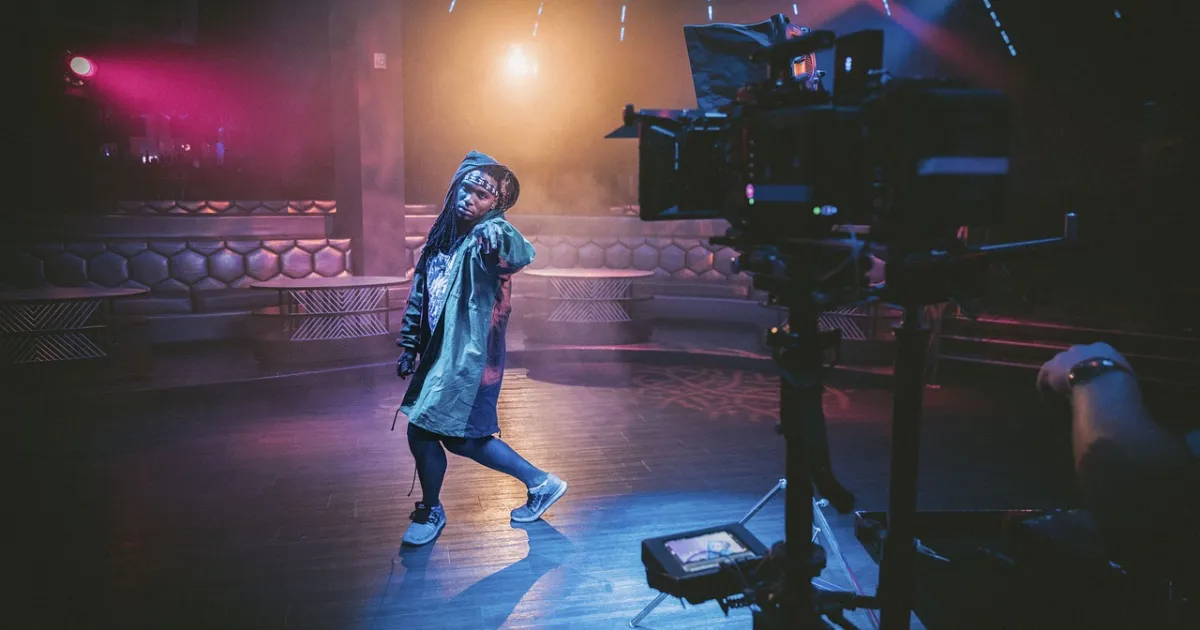
A party political broadcast is a short television or radio slot made by a political party and carried free of charge by broadcasters. The party decides what goes in it, so it can speak to viewers and listeners directly, without a presenter or interviewer in between. When one is shown in the run-up to an election it is called a party election broadcast. In the UK these broadcasts exist alongside a strict rule: parties and campaign groups may not buy political advertising on television or radio.
PPBs, PEBs and referendum broadcasts
The terms are often used loosely, but there are three kinds of broadcast.
- Party political broadcasts (PPBs) are shown outside election periods. The BBC sets its own criteria for which parties receive them on its services.
- Party election broadcasts (PEBs) are shown before an election, such as a general election, elections to the devolved parliaments and assemblies, or local and mayoral elections.
- Referendum campaign broadcasts go to the campaign organisations that the Electoral Commission designates to lead each side in a referendum. Before the EU referendum of 23 June 2016, the designated lead campaigns received equal numbers of broadcasts.
In all three cases the airtime is free. The content comes from the party or campaign; the broadcaster transmits it.
The law behind the broadcasts
Two Acts of Parliament set the framework.
Section 333 of the Communications Act 2003 makes carrying party political and referendum campaign broadcasts a condition of the licence for every licensed public service television channel and every national radio service. It also requires those broadcasters to follow rules made by Ofcom, the communications regulator. Ofcom's rules may decide which parties receive broadcasts and how long and how frequent they are. Before making the rules, Ofcom must take into account any views expressed by the Electoral Commission.
Section 37 of the Political Parties, Elections and Referendums Act 2000 adds a basic condition: a broadcaster may not carry a party political broadcast for a party that is not registered. "Broadcaster" here covers holders of licences under the Broadcasting Acts, the BBC and S4C (Sianel Pedwar Cymru). So the first test for any party is registration with the Electoral Commission. Our guide to starting a political party in the UK explains how registration works.
Who allocates the broadcasts
Allocation is handled by Ofcom and the broadcasters, taking account of the Electoral Commission's views, not by the government of the day.
- Ofcom sets a minimum. Its statutory duty is to make rules for a minimum allocation of party election broadcasts on the commercial public service channels it regulates. For the elections of 5 May 2016, for example, those were ITV, ITV Cymru Wales, STV, UTV and relevant local television services. Broadcasters may offer more than the minimum.
- Ofcom identifies "larger parties". Parties on this list (formerly called "major parties") are entitled to at least two broadcasts on each qualifying channel. Ofcom bases the list on evidence of support, giving more weight to past election results than to opinion polls, which it treats as a secondary source. The list can differ between England, Scotland, Wales and Northern Ireland, because each has a different mix of parties.
- Other registered parties can qualify for at least one broadcast if they meet the criteria for that election.
- The BBC applies its own criteria for broadcasts on BBC services, drawn up separately from Ofcom's rules for commercial channels.
What qualifies a smaller party?
A key test is how widely a party is standing. In 2001, for example, broadcasters limited broadcasts to parties that put up candidates in at least one-sixth of parliamentary seats. For elections held under proportional systems, the qualifying level is set for each election with the voting system, the number of seats and the number of candidates in mind.
| Type | When it is shown | Who can receive it | Rules set by |
|---|---|---|---|
| Party political broadcast | Outside election periods | Registered parties meeting the broadcaster's criteria | Broadcasters, within Ofcom rules; BBC criteria for BBC services |
| Party election broadcast | Before an election | Registered parties standing widely enough, with more for "larger parties" | Ofcom minimum on commercial public service channels; BBC criteria for BBC services |
| Referendum campaign broadcast | Before a referendum | Lead campaign organisations designated by the Electoral Commission | Ofcom rules and the BBC |
How long are they?
Party election broadcasts are short. Ofcom describes them as running for up to four minutes and 40 seconds, and its rules can set the length and frequency of each party's broadcasts. That makes them very different from a long interview or a televised debate: a party has a few minutes, on its own terms, to make its case.
Why parties cannot buy TV and radio adverts
In the UK, parties and campaigners cannot buy airtime for political adverts on television or radio. The ban comes from the same Communications Act 2003.
Section 319 makes it one of Ofcom's standards objectives that political advertising should not appear on television or radio services. Section 321 defines what counts. An advert breaks the ban if it is placed by or on behalf of a body whose objects are wholly or mainly political, if it is directed towards a political end, or if it concerns an industrial dispute. Political ends include:
- influencing the outcome of elections or referendums;
- bringing about changes to the law;
- influencing the decisions of governments or public bodies, including international ones;
- influencing public opinion on a matter of public controversy in the UK;
- promoting the interests of a party or other group organised for political ends.
The ban therefore reaches well beyond parties. Charities and pressure groups are caught too if their advert is aimed at changing the law or government policy. Section 321 makes two exceptions: public service adverts placed by government departments, and the party political and referendum broadcasts required under section 333. Earlier broadcasting law, including the Broadcasting Act 1990, also prohibited political advertising, so the 2003 Act continued a long-standing approach.
The arguments for and against the ban
The ban was tested in court after an animal welfare group, Animal Defenders International, was refused permission to broadcast a television advert because it counted as political advertising. The group argued that this breached its right to freedom of expression under Article 10 of the European Convention on Human Rights.
In 2008 the House of Lords, then the UK's highest court, unanimously rejected that claim. Lord Bingham described the aim as a level playing field, so that wealthy parties or interests cannot buy disproportionate influence and opinions win support through debate rather than repeated paid messages. In 2013 the European Court of Human Rights also found the ban compatible with Article 10. The majority noted that it applies only to paid political advertising on radio and television, and that other media remain open to campaigners.
That judgment was decided by nine votes to eight, which shows how finely balanced the question is. Supporters of the ban say it keeps money from deciding who is heard on the most powerful media. Critics say it restricts political speech, including by small campaign groups with a legitimate cause, while free broadcasts go mainly to parties. Free party broadcasts are, in effect, the counterweight: parties cannot buy airtime, so the law gives qualifying parties some airtime instead. The Electoral Commission's wider role in elections is covered in our explainer on what an electoral commission does.
Common questions
Do parties pay for party political broadcasts?
No. Broadcasters carry them free of charge. Carrying them is a licence condition for public service channels and national radio services under the Communications Act 2003.
Who decides which parties get a party election broadcast?
The broadcasters, under Ofcom's rules for commercial public service channels and under the BBC's own criteria for BBC services. Only registered parties can receive one, and smaller parties normally need to be standing in a substantial share of the seats.
Why are political adverts banned on UK television?
The Communications Act 2003 prohibits political advertising on television and radio. The courts have accepted the aim of stopping wealthy interests from buying disproportionate influence over public debate.
How long is a party election broadcast?
Up to four minutes and 40 seconds, according to Ofcom. Ofcom's rules can set both the length and the number of broadcasts each party receives.
Sources
- legislation.gov.uk: Communications Act 2003, section 333
- legislation.gov.uk: Communications Act 2003, section 321
- legislation.gov.uk: Political Parties, Elections and Referendums Act 2000, section 37
- Ofcom statement on party election broadcast regulations (March 2016)
- Wikipedia: Animal Defenders International v United Kingdom
- International IDEA: allocation of free media access
The Ballot Primer is independent and non-partisan. Spotted an error? Tell us.
Keep reading

Why Do UK Political Parties Have Colours? A Short History
Blue, red and yellow look like fixed facts of British politics, but for most of history party colours changed from town to town. …
9 November 2026

What Is a Political Party? What Parties Do and How UK Rules Work
Parties pick candidates, write programmes and organise both government and opposition. Here is what a political party is, how UK …
9 November 2026
What Is a Party Whip? Chief Whips, Three-Line Whips and Free Votes
Whips keep MPs voting with their party. Here is what the Chief Whip does, what one-, two- and three-line whips mean, when MPs get…
9 November 2026