Home › Rights & the Constitution
Freedom of the Press: What It Means and How It Is Protected
Freedom of the press is the freedom to gather and publish news and opinion without state control. In the UK it rests on Article 10 of the European Convention, with limits set by law and a mix of statutory and self-regulation.
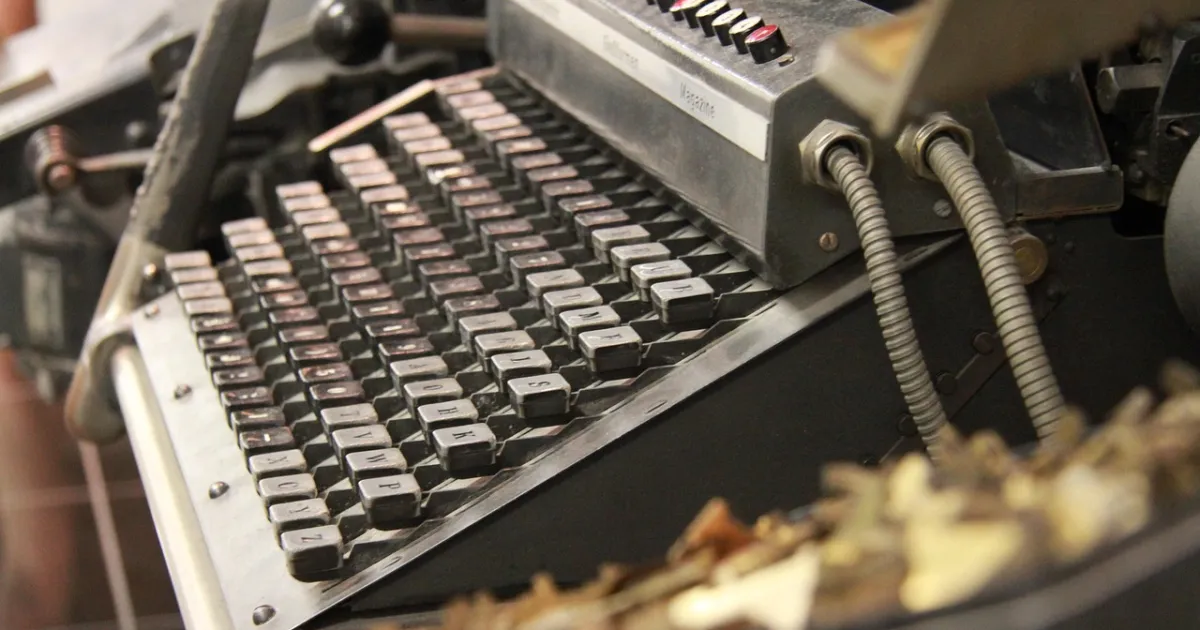
Freedom of the press is the freedom of newspapers, broadcasters and other news publishers to gather information and to publish facts and opinions on matters of public interest without control by the state. In UK law it is protected as part of the right to freedom of expression in Article 10 of the European Convention on Human Rights, which is set out in Schedule 1 to the Human Rights Act 1998. It is not unlimited: Article 10 itself lists the grounds on which the law may restrict publication.
What the term means
The European Court of Human Rights describes the press as a public watchdog in a democratic society. In its case law the task of the press is to impart information and ideas on political issues and other subjects of public interest, and the public has a right to receive them. Gathering information is treated as an essential preparatory step in journalism and a protected part of press freedom.
The idea is not confined to printed newspapers. It extends to broadcasting, and the Court has said that non-governmental organisations, bloggers and popular users of social media may perform a comparable watchdog function.
International texts express the freedom in different ways. Article 19 of the Universal Declaration of Human Rights protects the right to seek, receive and impart information and ideas through any media and regardless of frontiers. Article 9 of the African Charter on Human and Peoples' Rights gives every individual the right to receive information and to express and disseminate opinions within the law. South Africa's Constitution names the press directly: under section 16, freedom of expression includes freedom of the press and other media.
Where it is protected in UK law
Article 10 gives everyone the right to freedom of expression, including the freedom to receive and impart information and ideas without interference by public authority. It adds that states may still require the licensing of broadcasting, television and cinema enterprises. The general right is explained in our guide to freedom of speech in the UK. Three statutory provisions bear on the press in particular.
- Section 12 of the Human Rights Act 1998 applies whenever a court is asked for an order that might affect freedom of expression. Publication may not be restrained before trial unless the applicant is likely to establish that it should not be allowed. For journalistic material the court must have particular regard to how far the material has become, or is about to become, available to the public, to the public interest in publishing it and to any relevant privacy code.
- Section 10 of the Contempt of Court Act 1981 protects sources. No court may require a person to disclose the source of information in a publication for which they are responsible unless disclosure is necessary in the interests of justice or national security, or for the prevention of disorder or crime.
- Section 4 of the Defamation Act 2013, which applies in England and Wales, gives a defence to a defamation claim where the statement was on a matter of public interest and the publisher reasonably believed that publishing it was in the public interest. The court must make allowance for editorial judgement.
The limits the law recognises
Article 10(2) says the exercise of these freedoms carries duties and responsibilities, and may be subject to restrictions that are prescribed by law and necessary in a democratic society. The permitted aims are listed in the Article:
- national security, territorial integrity or public safety;
- the prevention of disorder or crime;
- the protection of health or morals;
- the protection of the reputation or rights of others;
- preventing the disclosure of information received in confidence;
- maintaining the authority and impartiality of the judiciary.
The rights of others include private life, so press freedom regularly has to be balanced against the right described in our guide to Article 8.
Strasbourg case law adds two points. The strong protection given to the press depends on what the Court calls responsible journalism, a notion that covers the lawfulness of a journalist's conduct as well as the content of what is published. And although Article 10 does not prohibit court orders that stop publication in advance, the Court scrutinises them with particular care because, in its words, "news is a perishable commodity" (European Court of Human Rights, Observer and Guardian v. the United Kingdom, 1991).
How the press is regulated in the UK
Broadcasters and newspapers are treated differently. Television and radio are regulated under statute by Ofcom, while newspapers, magazines and other news publishers regulate themselves through bodies they choose to join.
| Body | What it covers | Basis |
|---|---|---|
| Ofcom | Television and radio programmes | Communications Act 2003, section 319: a standards code under which news must be presented with due impartiality and reported with due accuracy |
| Independent Press Standards Organisation (IPSO) | Newspapers and magazines that join it, including most national titles (over 95 per cent by circulation when the government reported in 2018) | Set up by the industry in September 2014 after the Press Complaints Commission closed; handles complaints under the Editors' Code of Practice |
| Impress | Publishers that join it | Self-regulator recognised under the Royal Charter in October 2016 |
| Press Recognition Panel | Regulators, not publishers | Royal Charter sealed on 30 October 2013; the Panel came into existence on 3 November 2014 |
The present arrangement came out of the Leveson Inquiry into the culture, practices and ethics of the press, which followed the phone-hacking scandal and reported on 29 November 2012. The Royal Charter on self-regulation of the press created the Press Recognition Panel in response. The Panel does not regulate anyone. It decides whether a regulator that applies to it meets the 29 criteria in the Charter. The Charter can be amended only with a two-thirds majority in each House of Parliament and in the Scottish Parliament, together with the unanimous agreement of the Panel's board.
IPSO has not sought recognition, and Impress remains the only approved regulator. In February 2026 the Press Recognition Panel reported that many significant publishers remain outside the recognised system.
One legal lever was never used. Section 40 of the Crime and Courts Act 2013 would, as a rule, have left publishers outside a recognised regulator liable to pay both sides' legal costs in court claims. It was never brought into force. The government announced on 1 March 2018 that it would repeal the section, and the Media Act 2024 removed it on 24 July 2024.
The argument over press regulation
The government's consultation on section 40, which ran from November 2016 to January 2017, drew 174,730 direct responses. Among them, 79 per cent favoured full repeal and 7 per cent full commencement; the government's summary notes that newspapers and other organisations had encouraged their readers and members to respond. The summary sets out both cases.
Those who wanted the section brought into force argued that it was essential to give ordinary people access to justice, that it was the incentive needed to make the new system of self-regulation work, and that the cross-party agreement behind the Charter should be honoured.
Those who wanted it repealed, among them nearly all the publishers, editors and industry bodies that responded, argued that it would have a chilling effect on investigative journalism, because a publisher outside a recognised regulator could face both sides' costs whatever the outcome, and that government should not interfere with press freedom.
The section was repealed in 2024 without ever having been brought into force.
Common questions
Is freedom of the press a human right?
It is protected as part of freedom of expression under Article 19 of the Universal Declaration of Human Rights and Article 10 of the European Convention. The European Court of Human Rights gives the press a high level of protection under Article 10.
Who regulates newspapers in the UK?
No state regulator does. Most national newspapers belong to IPSO, an industry-funded self-regulator; other publishers belong to Impress, which is recognised under the Royal Charter. Television and radio are regulated separately by Ofcom under the Communications Act 2003.
Can a UK court stop a story being published?
A court can grant an order restraining publication, but section 12 of the Human Rights Act 1998 sets a threshold. Before trial, the applicant must show they are likely to establish that publication should not be allowed, and the court must have particular regard to freedom of expression.
Do journalists have to reveal their sources?
Not as a rule. Section 10 of the Contempt of Court Act 1981 bars a court from ordering disclosure unless it is satisfied that disclosure is necessary in the interests of justice or national security, or to prevent disorder or crime.
Sources
- Human Rights Act 1998, Schedule 1, Article 10
- Human Rights Act 1998, section 12
- European Court of Human Rights: Guide on Article 10 of the Convention (updated 31 August 2026)
- Press Recognition Panel
- GOV.UK: Consultation on the Leveson Inquiry and its implementation, with the government response of 1 March 2018
- Media Act 2024, section 50
The Ballot Primer is independent and non-partisan. Spotted an error? Tell us.
Keep reading

Does the UK Have Freedom of Speech? The Law Explained
The UK does have freedom of speech, protected by Article 10 of the European Convention on Human Rights and by the common law. It …
22 November 2026

Article 8 of the Human Rights Act: The Right to Private and Family Life
Article 8 of the European Convention, set out in Schedule 1 to the Human Rights Act 1998, protects private and family life, home …
21 November 2026
Civil Liberties: What They Are and How They Are Protected in the UK
Civil liberties are freedoms held against the state, such as liberty of the person, free expression and a fair trial. How they di…
20 November 2026